Research Articles
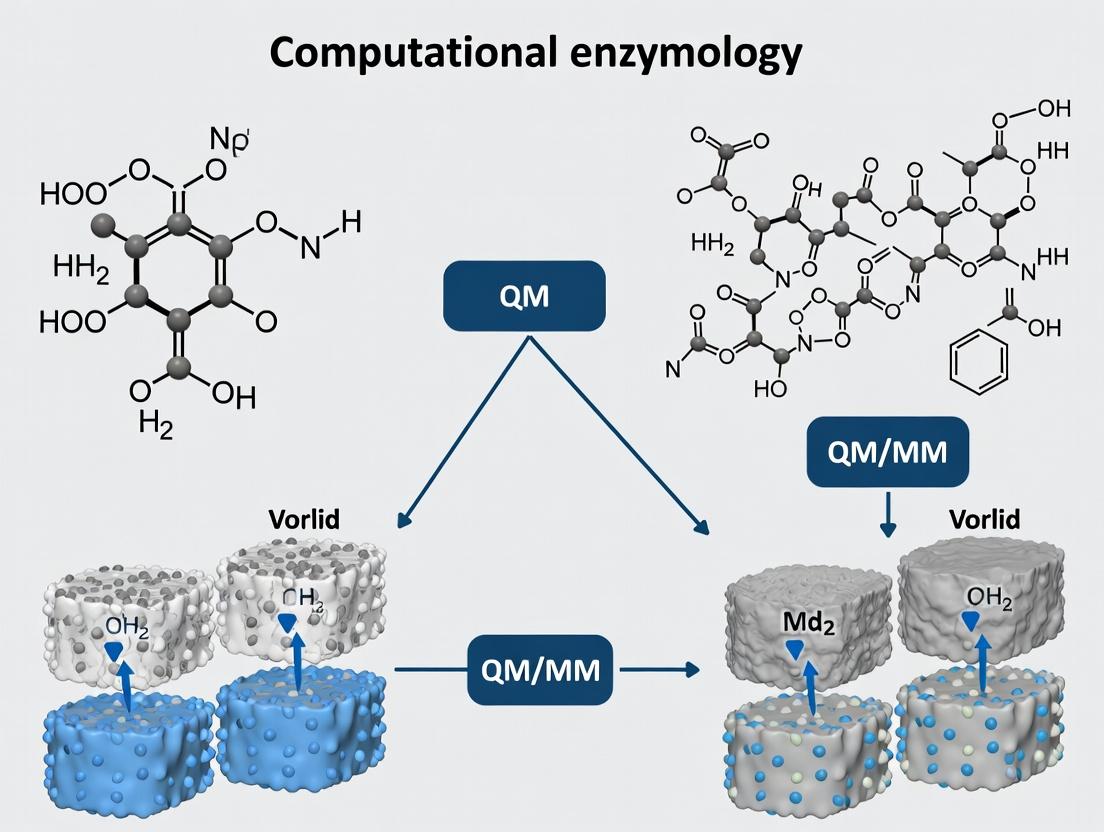
QM/MM Methods Demystified: The Essential Guide to Computational Enzymology for Drug Discovery
This comprehensive guide explores Quantum Mechanics/Molecular Mechanics (QM/MM) methods, the cornerstone of modern computational enzymology.
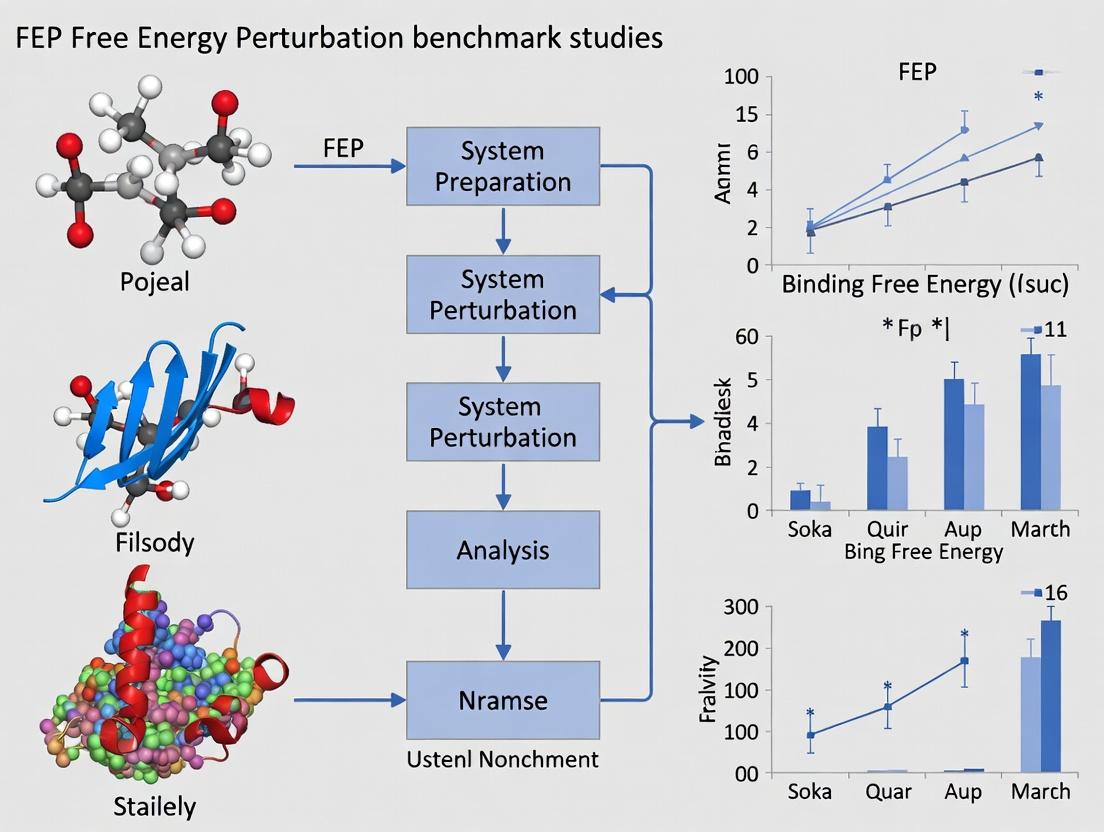
FEP+ Benchmarking Across Diverse Protein Targets: Best Practices for Accurate Binding Affinity Predictions in Drug Discovery
Free Energy Perturbation (FEP) calculations have become a cornerstone in computational drug discovery, yet their performance varies significantly across different protein classes and target types.
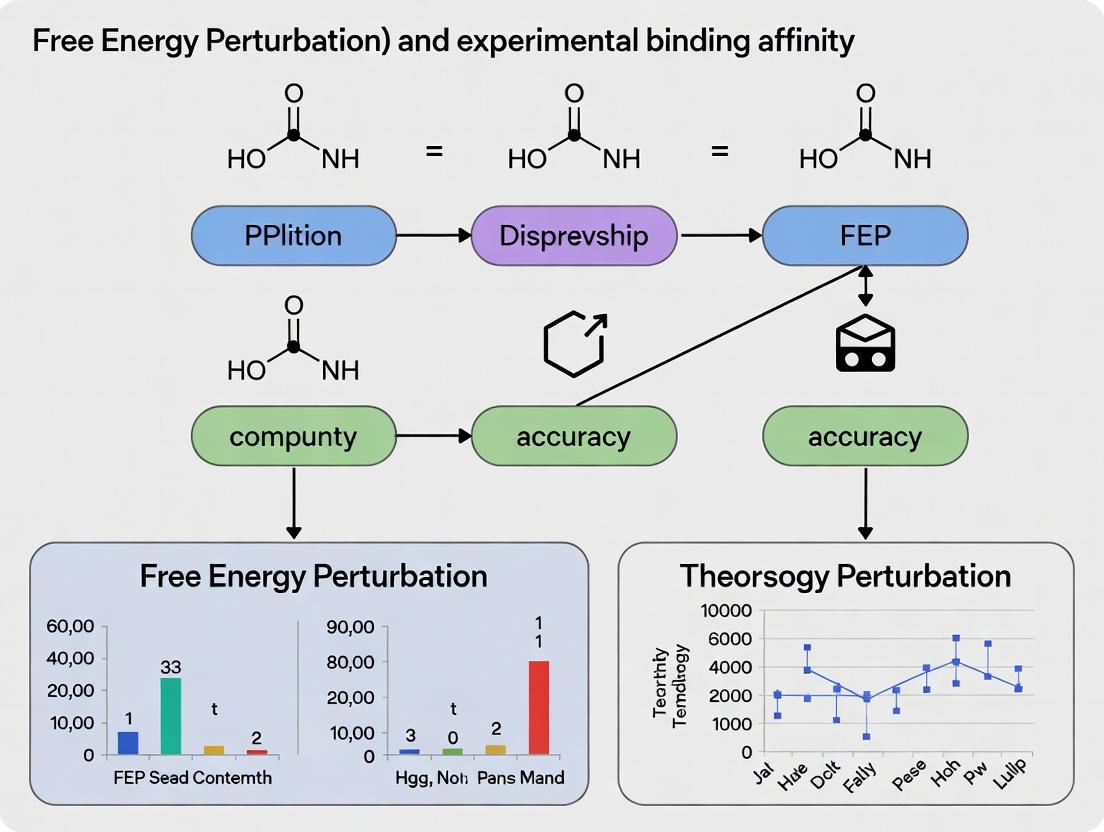
Free Energy Perturbation Accuracy: Benchmarking FEP Predictions Against Experimental Binding Affinities in Drug Discovery
This article provides a comprehensive analysis for researchers and drug development professionals on the critical relationship between Free Energy Perturbation (FEP) computational predictions and experimental binding affinity measurements.
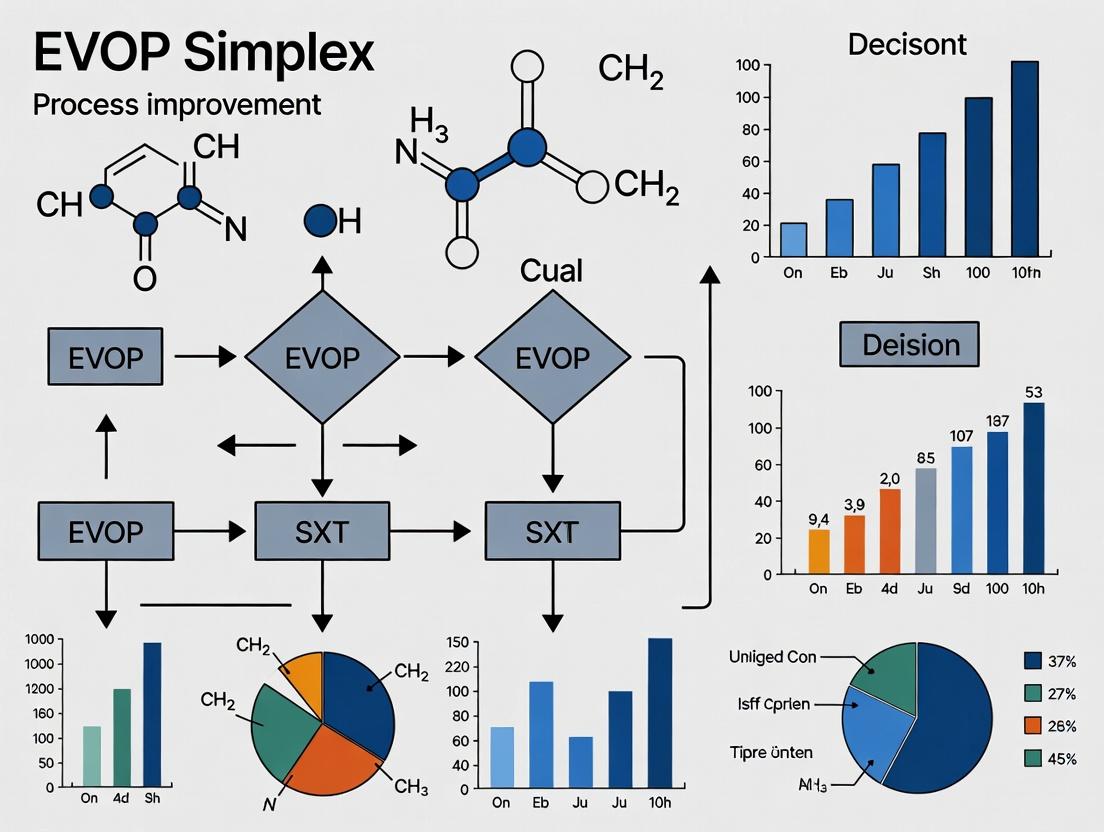
EVOP Simplex: A Comprehensive Guide to Process Optimization in Pharmaceutical Development and Manufacturing
This article provides a detailed exploration of the Evolutionary Operation (EVOP) Simplex methodology for process improvement, specifically tailored for researchers, scientists, and drug development professionals.
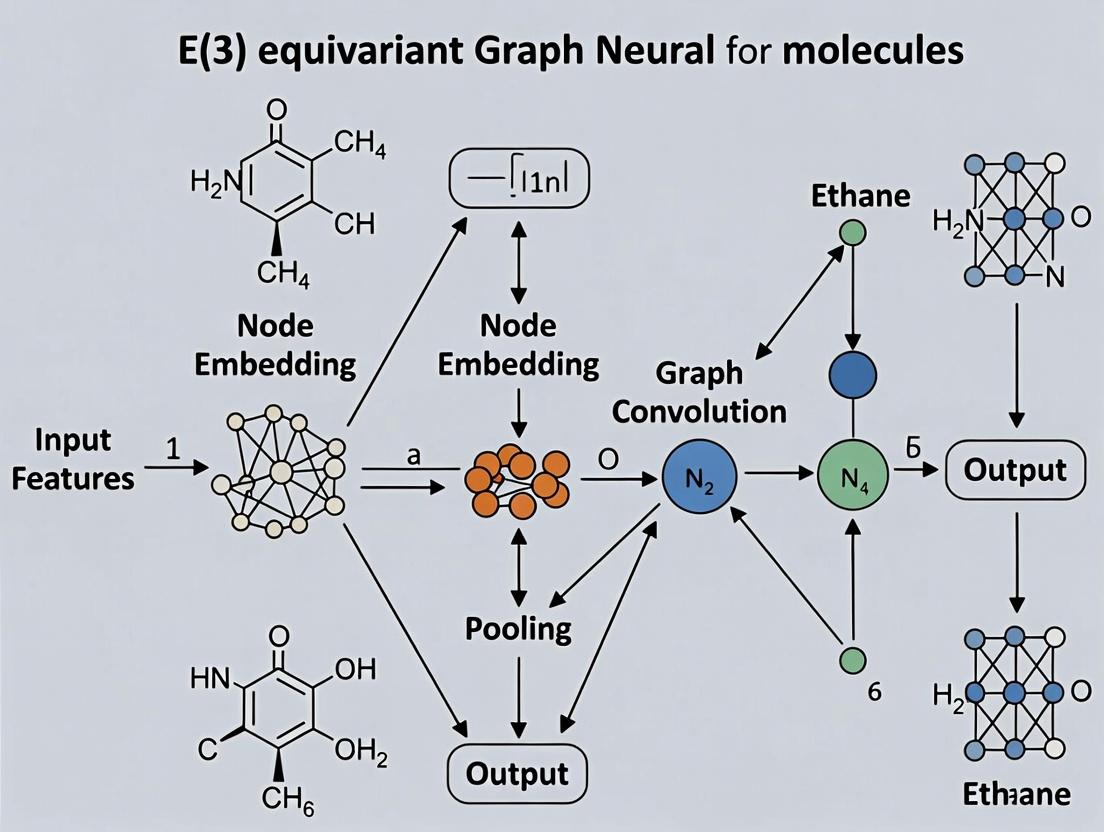
E(3)-Equivariant GNNs for Molecules: The Next Frontier in AI-Driven Drug Discovery
This article provides a comprehensive exploration of E(3)-equivariant Graph Neural Networks (GNNs) for molecular modeling, tailored for researchers, scientists, and drug development professionals.
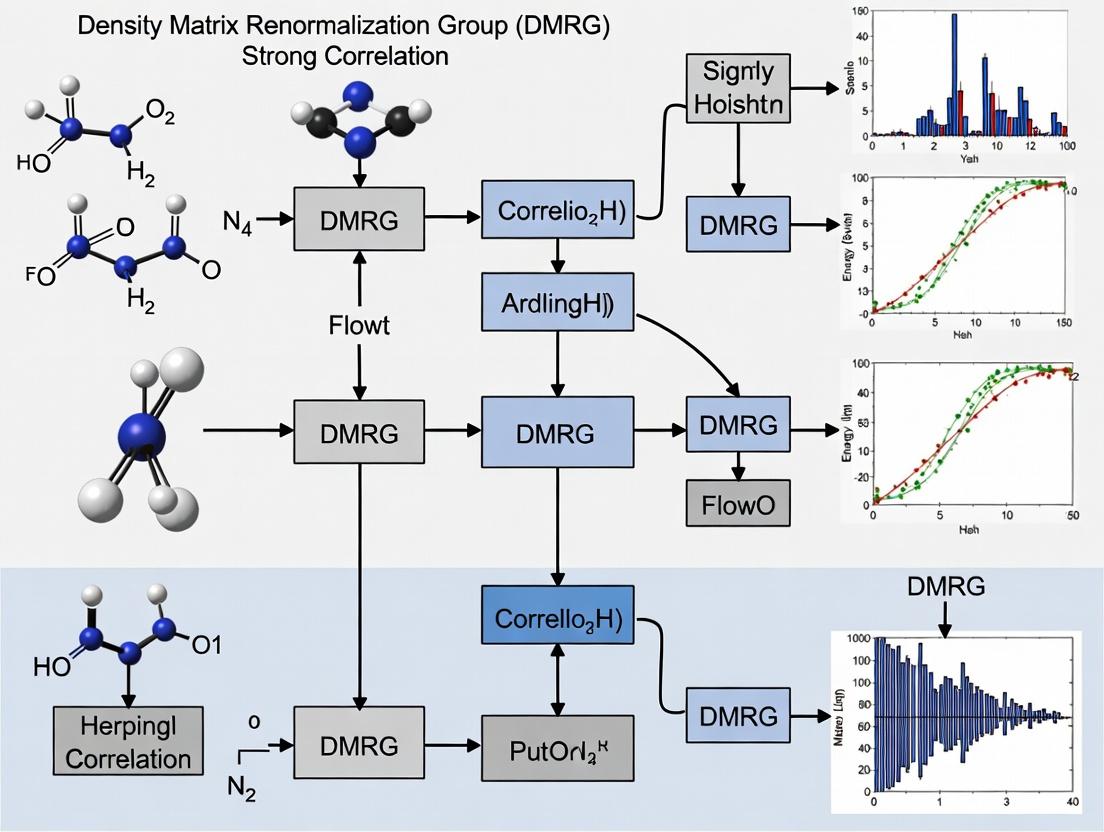
DMRG for Strong Correlation: Mastering Quantum Chemistry in Drug Discovery
This article provides a comprehensive guide to the Density Matrix Renormalization Group (DMRG) method for tackling strongly correlated quantum systems, with a focus on applications in pharmaceutical research.
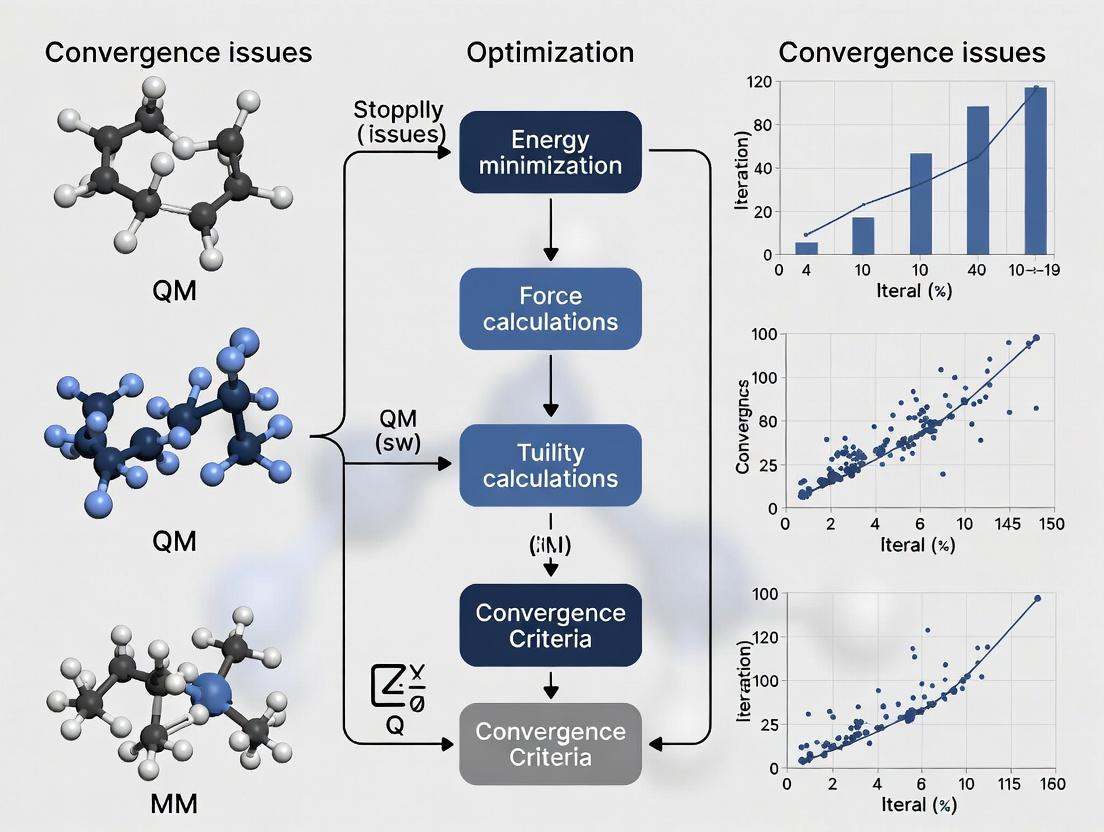
Taming the Interface: A Practical Guide to Solving QM/MM Optimization Convergence for Drug Discovery
Hybrid Quantum Mechanics/Molecular Mechanics (QM/MM) simulations are indispensable for studying enzymatic reactions and drug-target interactions, yet convergence failures during geometry optimization remain a major roadblock.
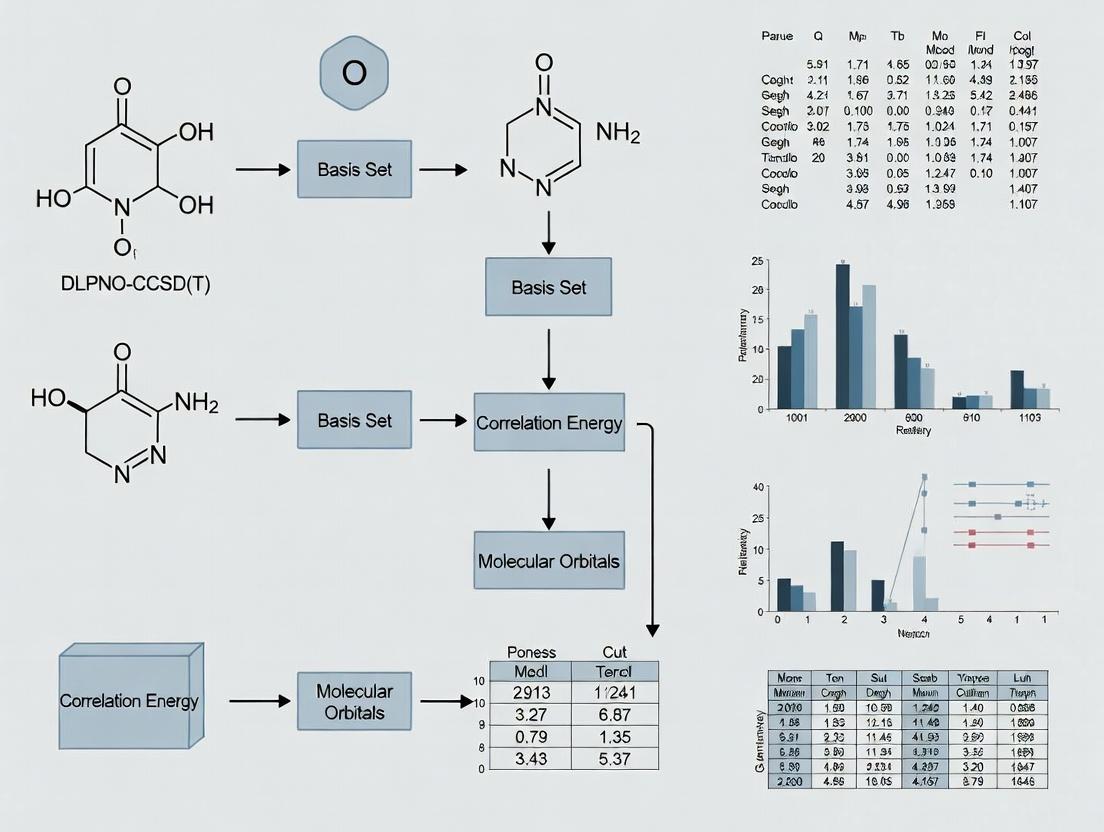
DLPNO-CCSD(T): Breaking the Size Barrier in Accurate Large Molecule Quantum Chemistry
This article provides a comprehensive guide to the Domain-based Local Pair Natural Orbital Coupled-Cluster (DLPNO-CCSD(T)) method for researchers and drug development professionals.
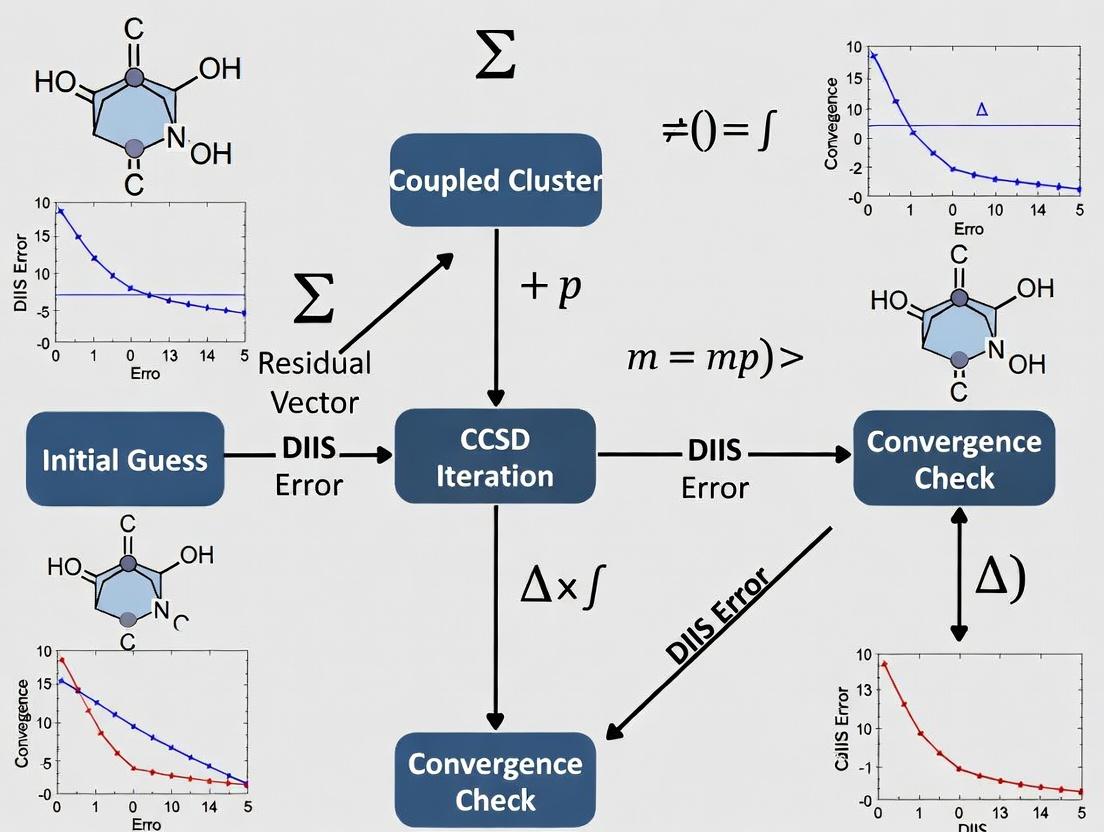
Convergence Challenges: Diagnosing and Solving DIIS Problems in Coupled Cluster Early Iterations for Drug Discovery
This article addresses the critical convergence failure known as DIIS (Direct Inversion in the Iterative Subspace) divergence during early coupled cluster (CC) iterations, a common hurdle in high-accuracy quantum chemistry...
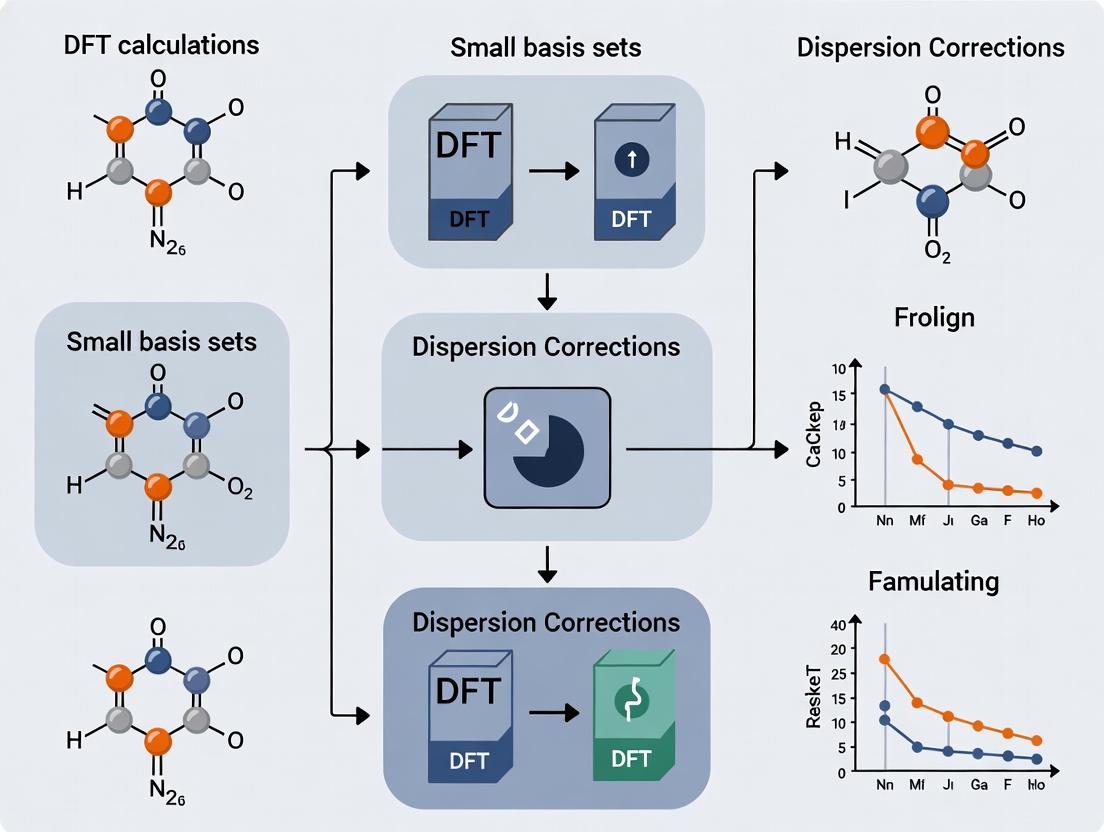
Balancing Speed and Accuracy: DFT with Small Basis Sets and Dispersion Corrections in Modern Drug Discovery
This article provides a comprehensive guide to Density Functional Theory (DFT) calculations employing small basis sets combined with dispersion corrections, a crucial methodology for accelerating computational workflows in pharmaceutical and...